Research
We study shared autonomy and human–prosthetic interaction: how assistive devices and AI systems can act capably while the person stays in charge. The work runs from biosignal decoding and human performance models to devices, testbeds and clinical studies.
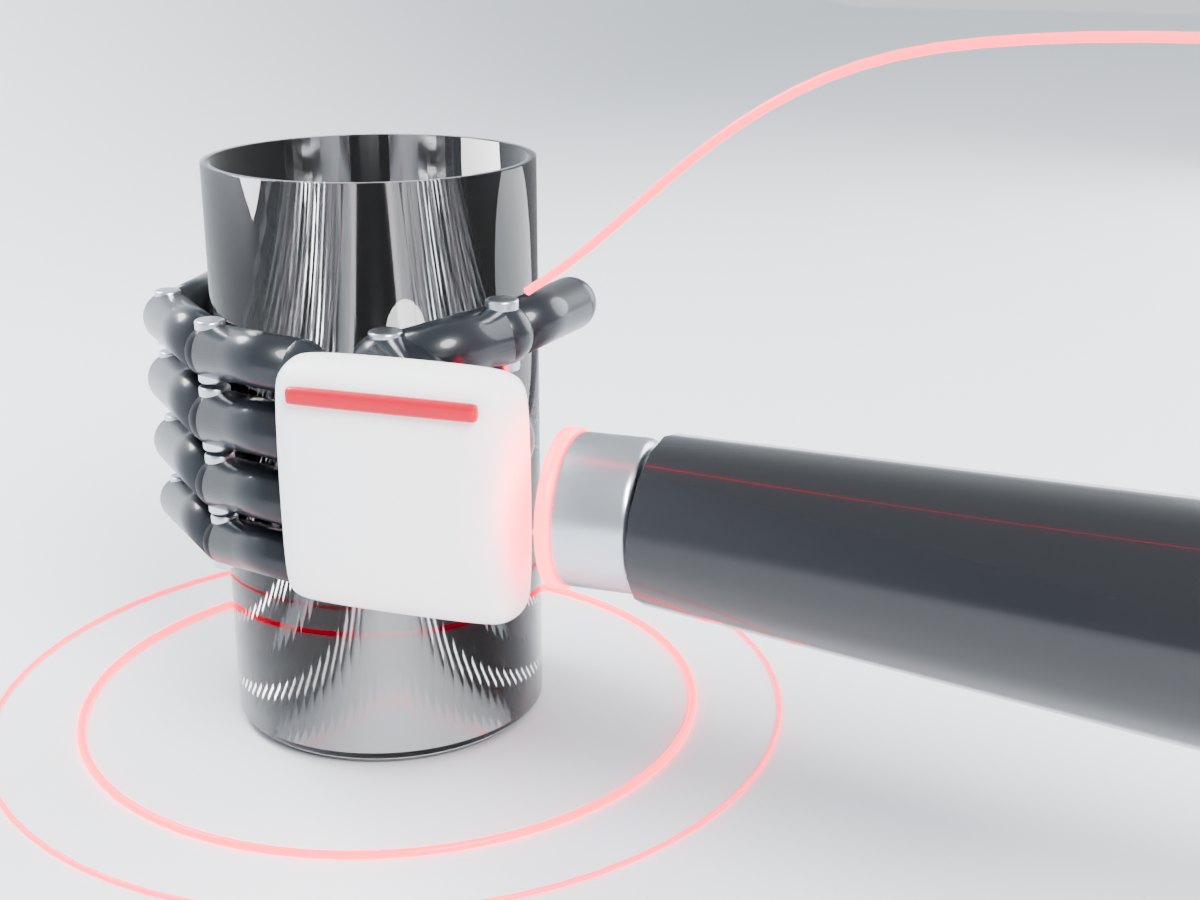
Concept render
Shared autonomy for bionic limbs
A myoelectric hand that does everything for the user is easy to operate and hard to own. We design shared-autonomy controllers that take on part of a grasp while the user keeps authority over the movement, and we tune that balance with workload, agency and embodiment measures.
Hands, hooks and bypass sockets are designed and 3D-printed in the lab, then tested with the clinical outcome measures rehabilitation teams use.
Selected work
- Embodiment envelopes for shared autonomy HFES 2026
- Cognitive-state-adaptive agency budgets HFES 2026
- Prosthetic Embodiment Score HFES 2026, Best Student Paper
- Predicting usability of upper-limb prostheses Applied Ergonomics 2024
Funding
NSERC Discovery Grant, sole PI (2026–2031); NSERC Discovery Grant Bridge Fund
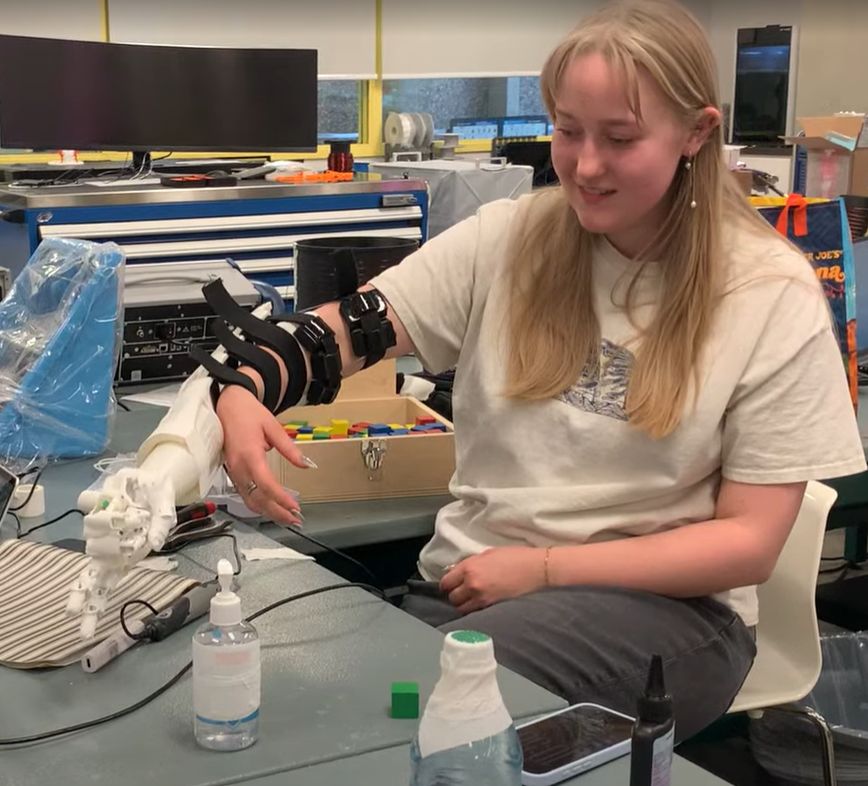
A participant operating a 3D-printed hand on a bypass socket 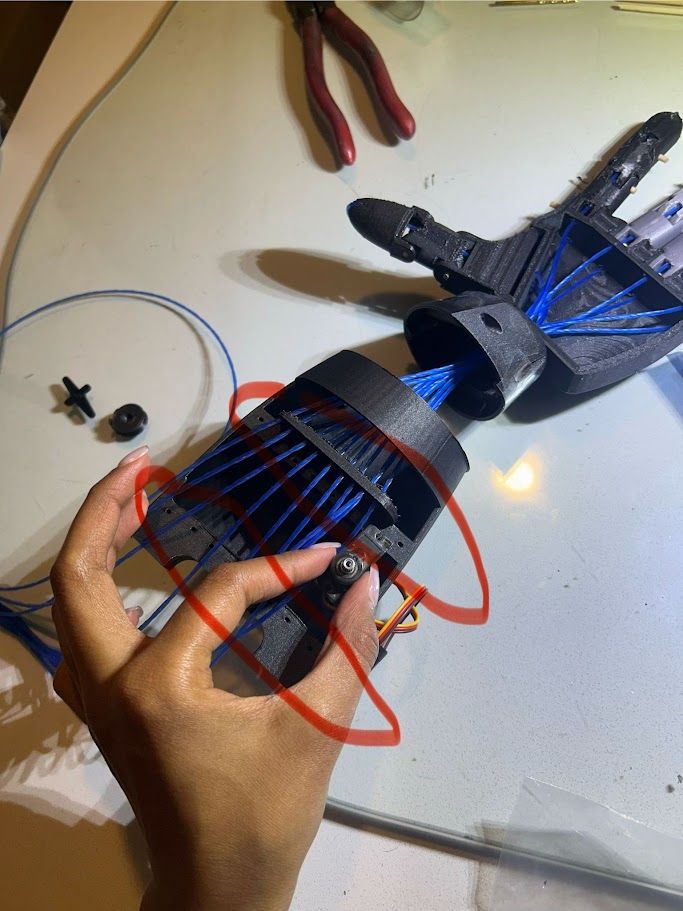
Printed robotic hand 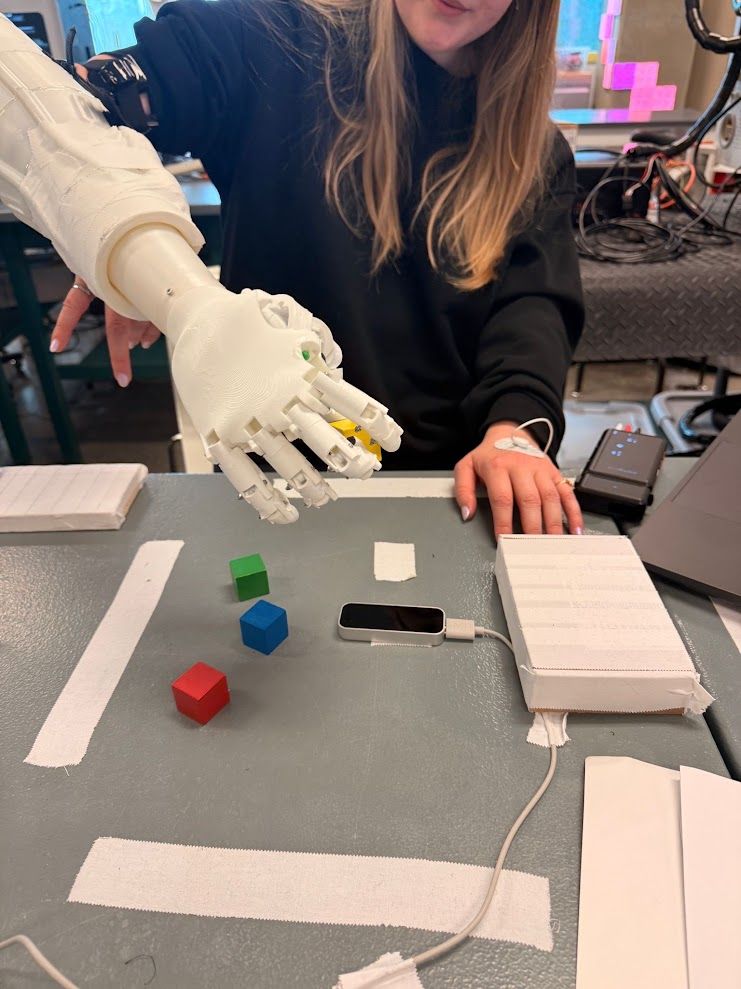
Box and Block Test with a bypass prosthesis
Design and fabrication
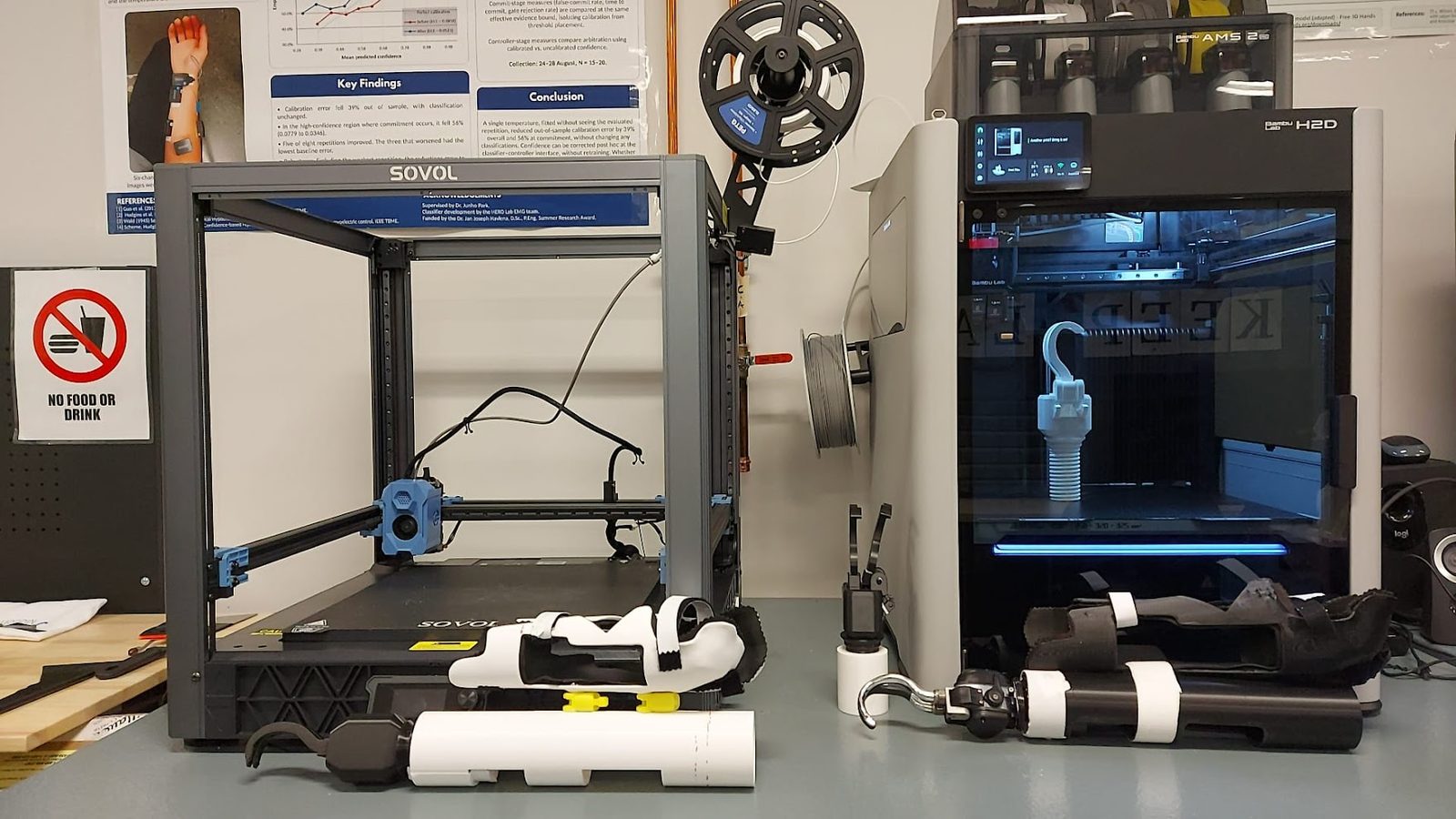
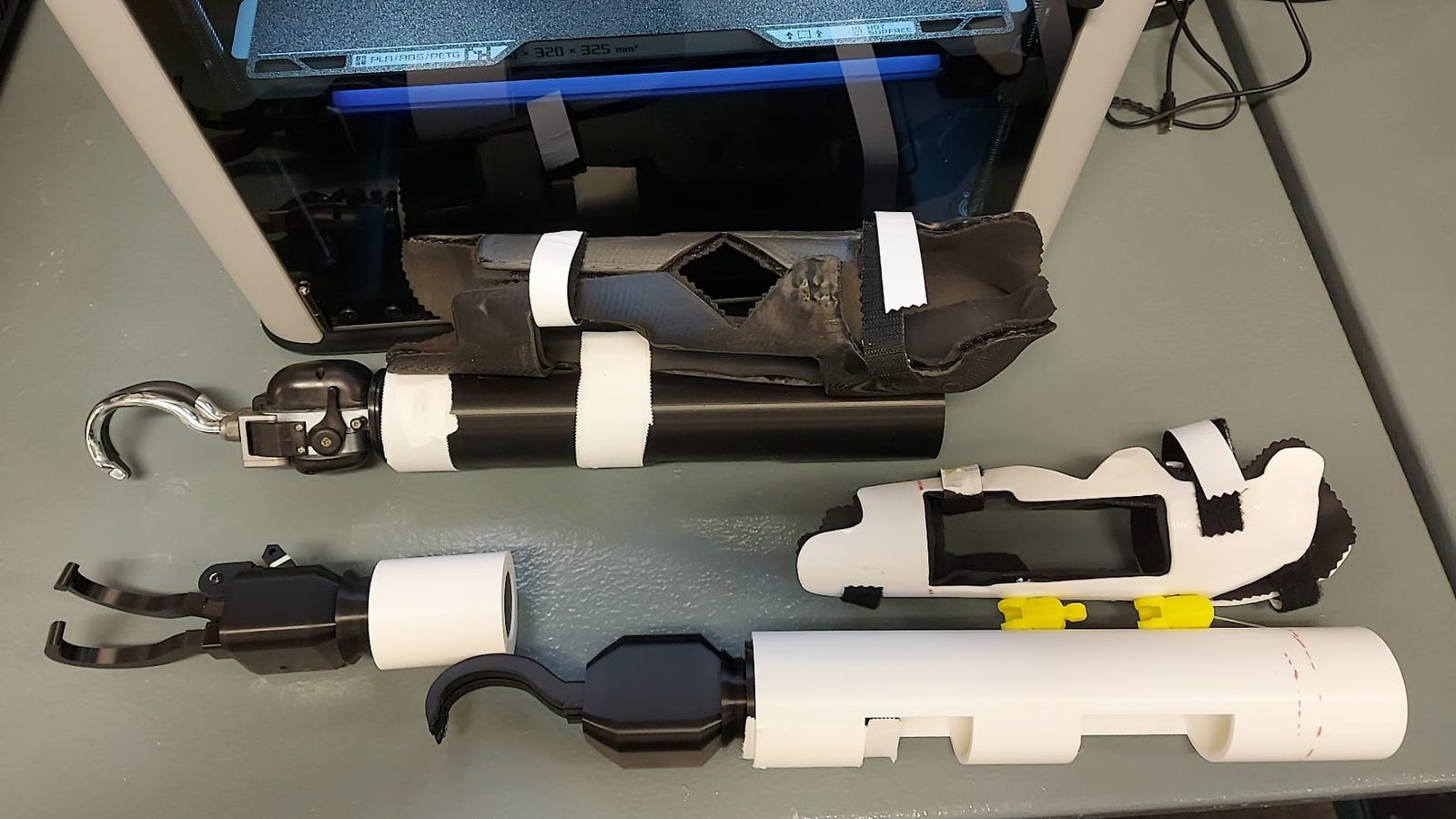
Lab equipmentThe lab builds the devices it studies. Terminal devices, hands, grippers and bypass sockets are designed and printed in-house, so hardware can change as quickly as the control software and be tested with people right away.
Design
Devices are modeled and screened with human performance models before anything is printed.
Print
Hands, hooks, grippers and sockets come off a multi-material Bambu Lab H2D and a Sovol printer.
Fit
Bypass sockets let participants without limb loss wear and operate the device. Commercial hooks give a reference point.
Test
Devices are evaluated with EMG, eye tracking and standard tests such as Box and Block and SHAP.
Concept render
Trustworthy biosignal AI
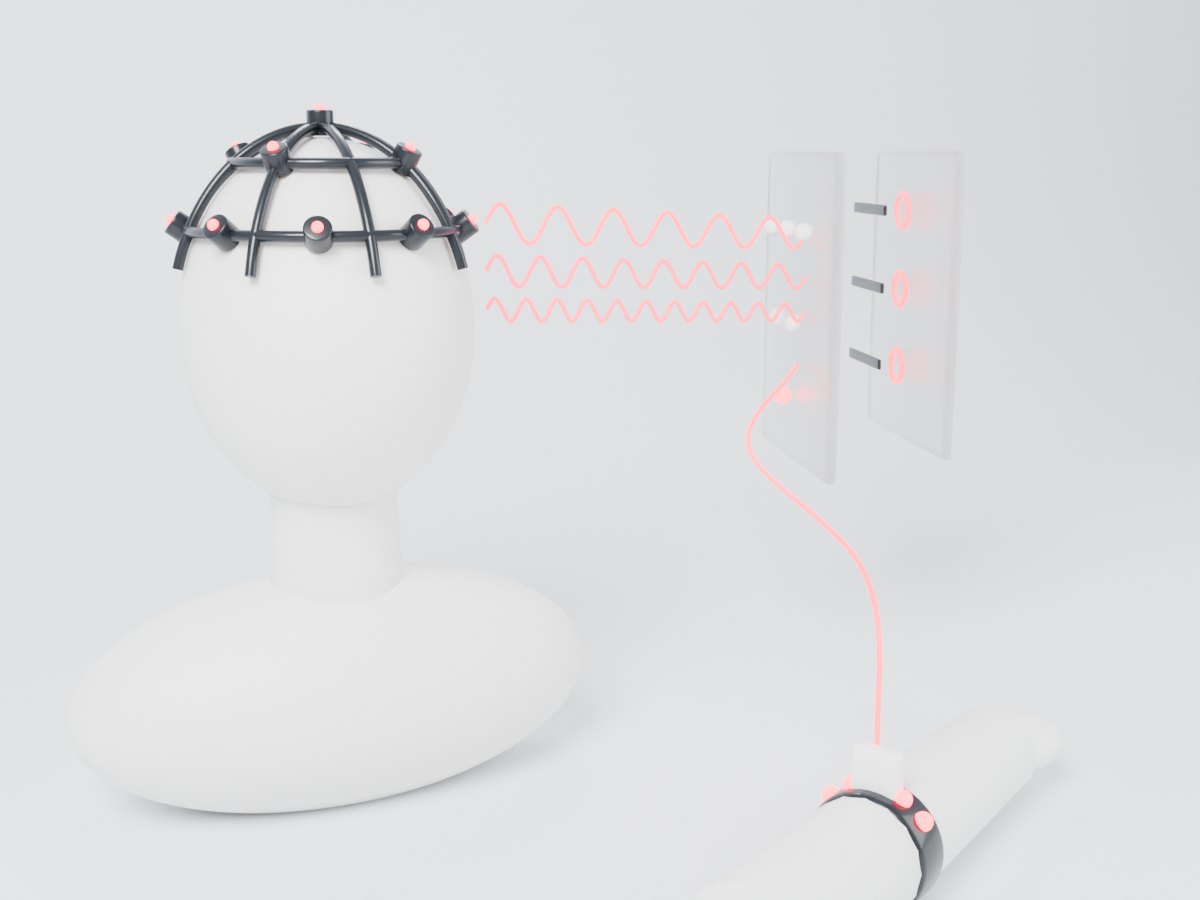
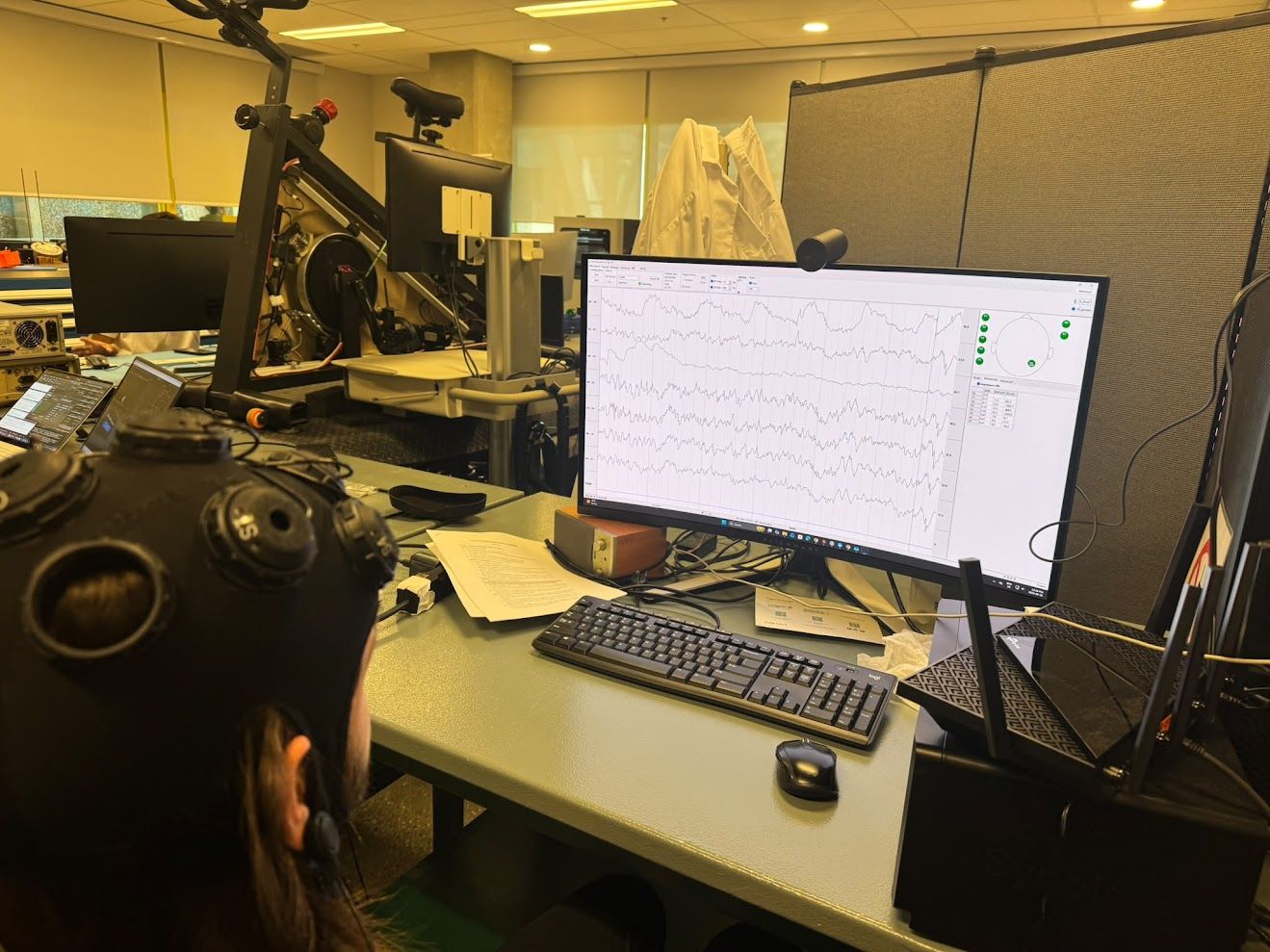
Muscle, brain and eye signals tell a machine what a person intends and how hard they are working. We build EMG, EEG and eye-tracking decoders and audit them so their claims hold for new users, new sessions and new clinical conditions. That audit is what makes a decoder safe to put in charge of a device.
Selected work
- Trust-gated synthetic EEG augmentation npj Digital Medicine 2026
- Audit-gated validation of wearable EMG representations under review
- Condition-aware validation of prosthetic embodiment under review
- Global Embodiment Index for XR prosthesis training IEEE ISMAR 2025
Funding
NSERC Discovery Grant; Hotchkiss Brain Institute Robertson Award
EEG recording 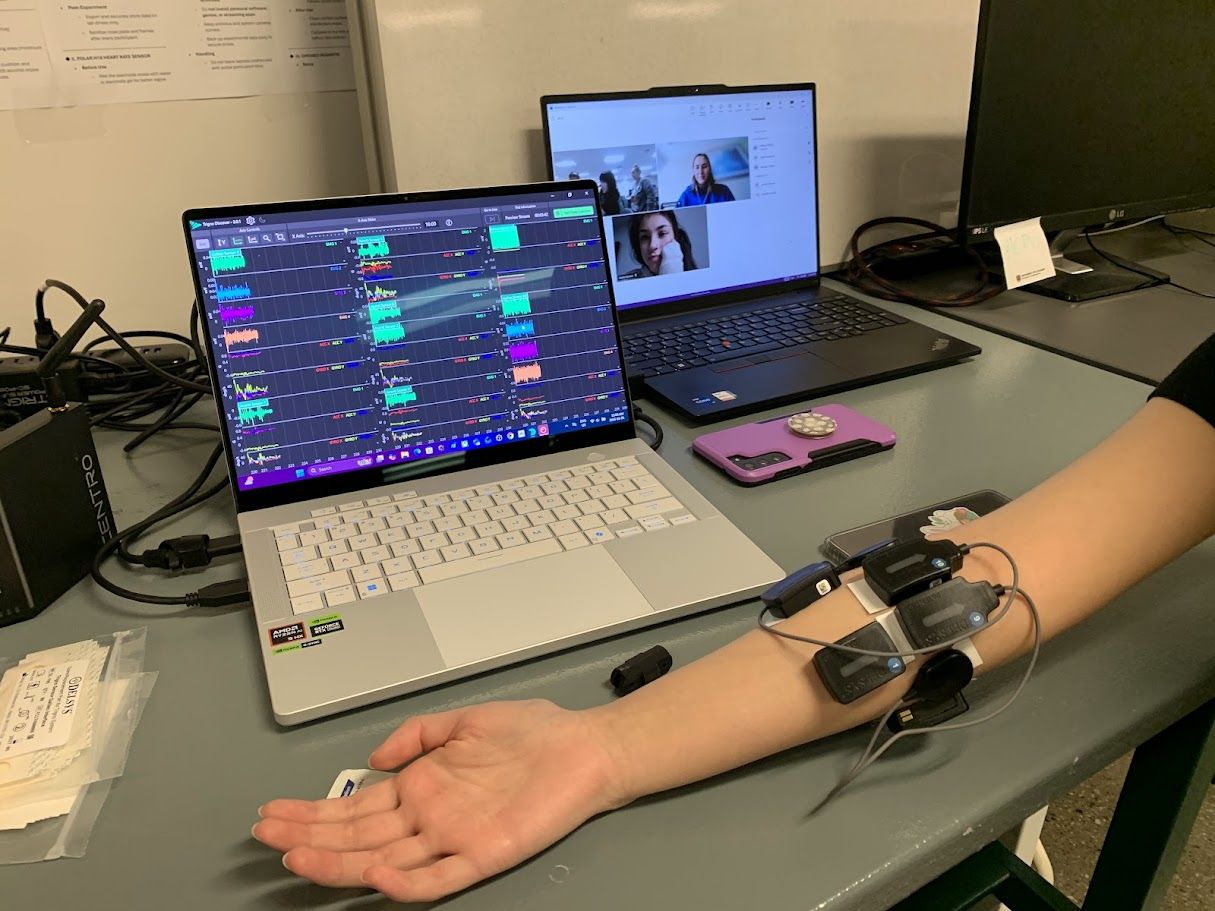
Wireless EMG 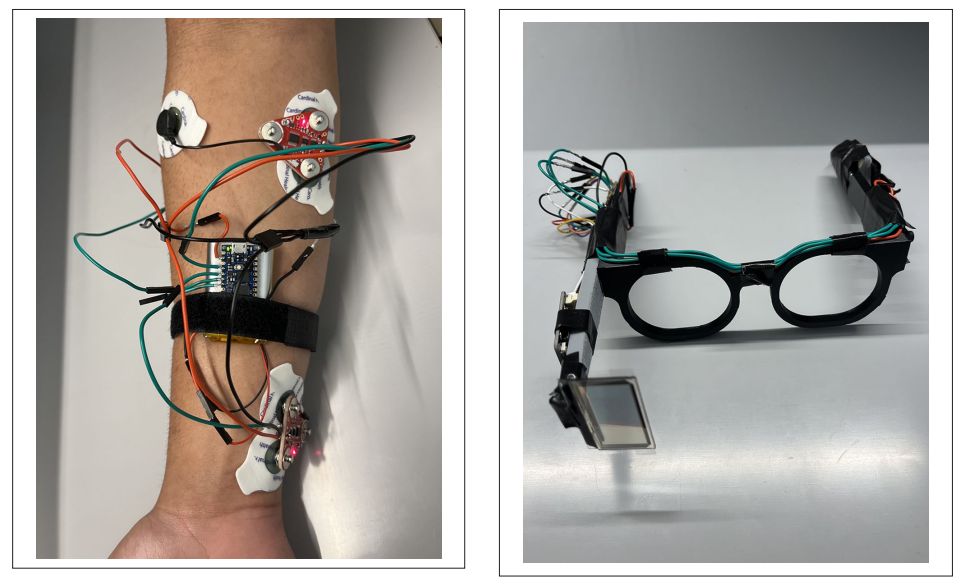
EMG sensing and biofeedback AR glasses
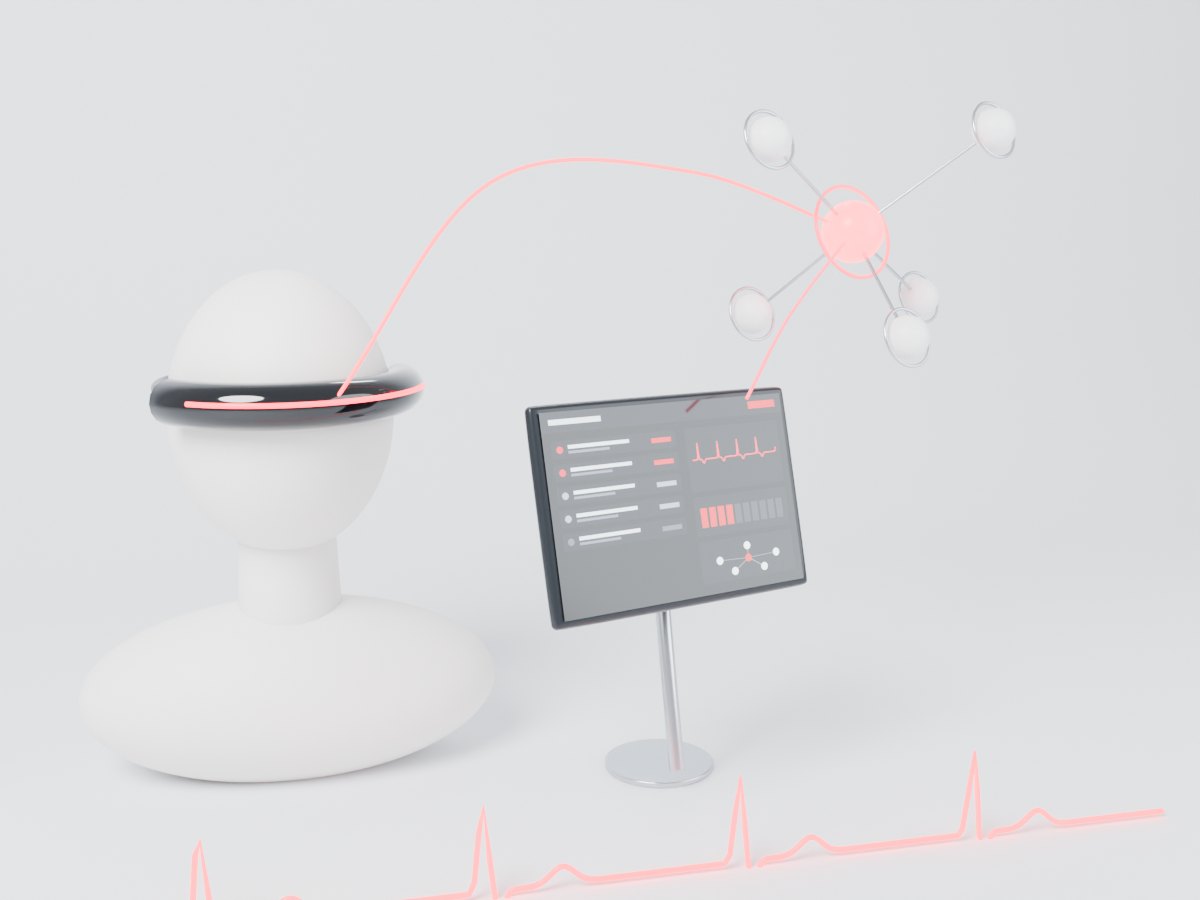
Concept render
Human–AI teams in emergency care
The question of who decides does not go away when the AI is a teammate instead of a hand. We design and test AI and XR support for NG911 dispatch, rural emergency department triage and multi-agent emergent care, adapt it to the operator’s workload, and ask who is responsible for each decision.
Selected work
- Workload-adaptive XR assistance for NG911 dispatch ACM CHI 2026
- AR decision support for rural ED triage HFES 2026, Honorable Mention
- Multi-agent system for emergent care Human Factors in Healthcare 2026
- Real-time trust estimation in human–AI interaction Scientific Reports 2026
Funding
Space-Defence Technologies Alberta (BlueTrace); Transdisciplinary Connector Grants; Creative Sentencing, Government of Alberta
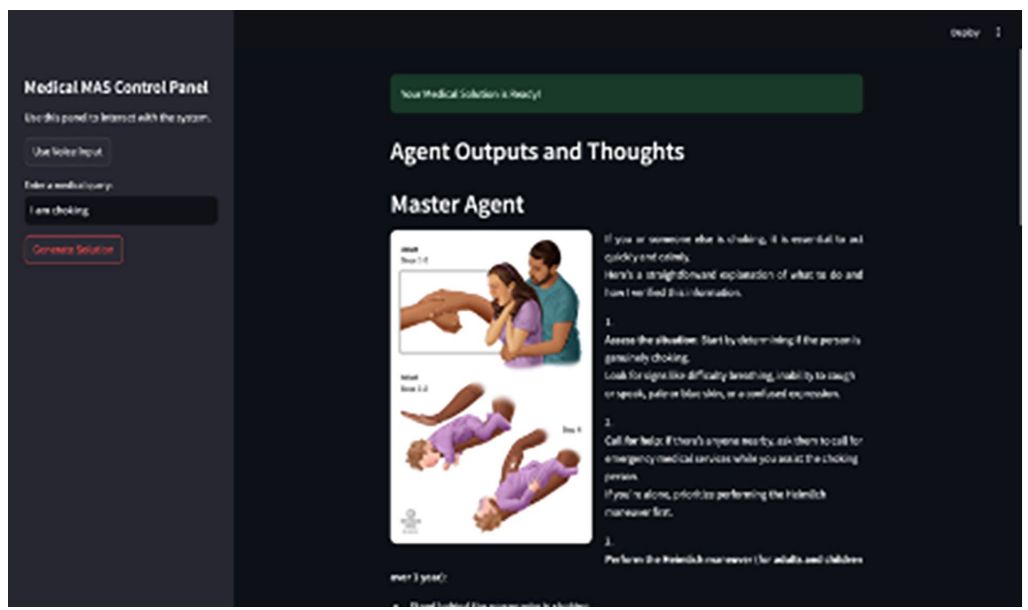
Multi-agent emergent care interface 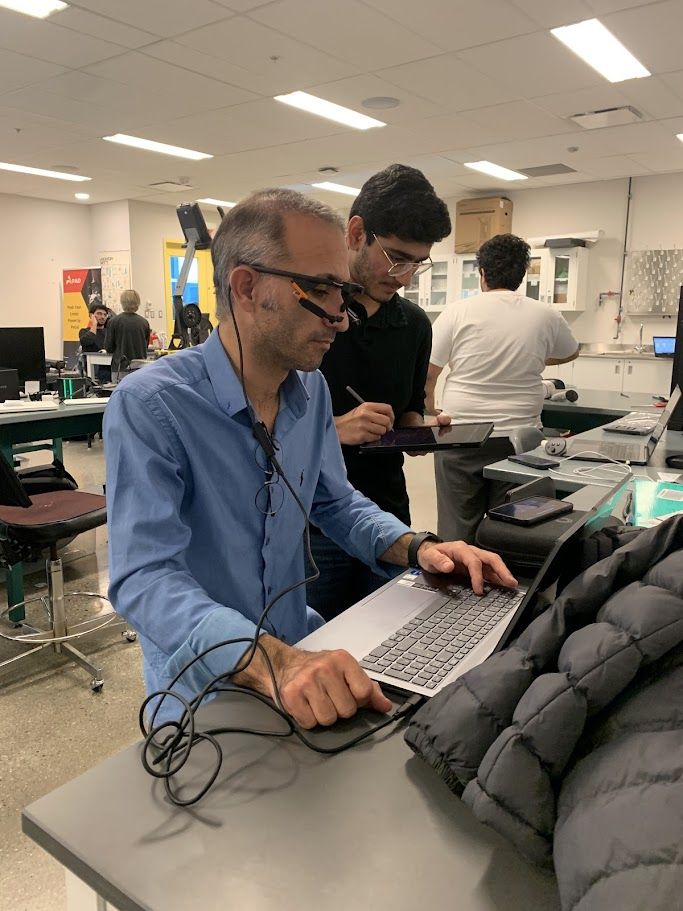
Cognitive workload study 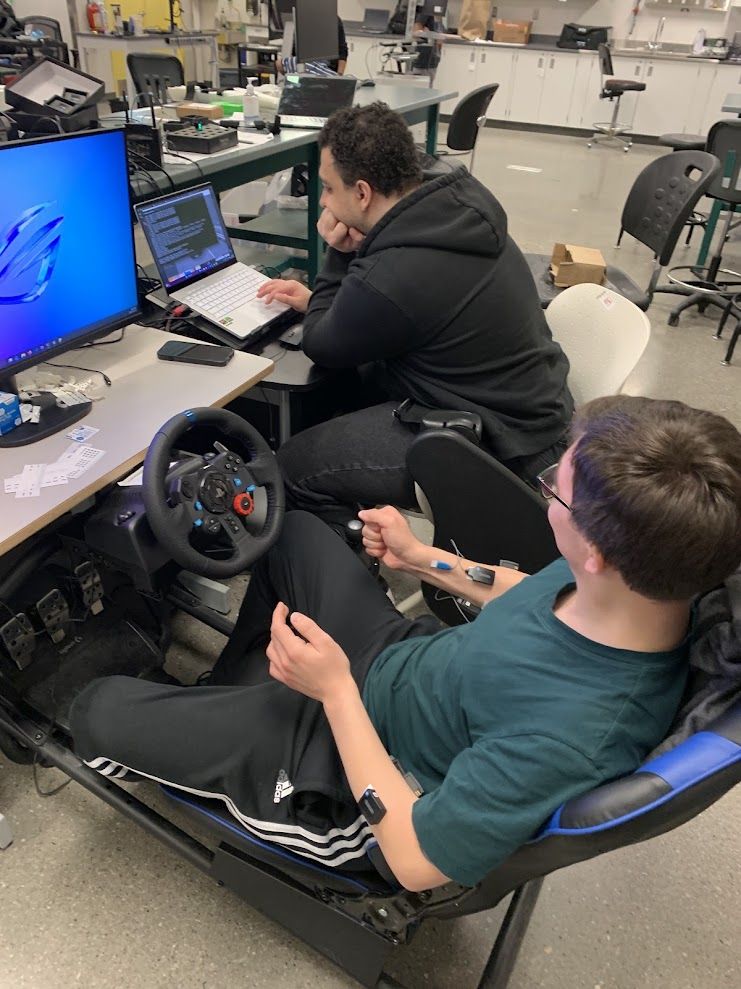
EMG driving simulator
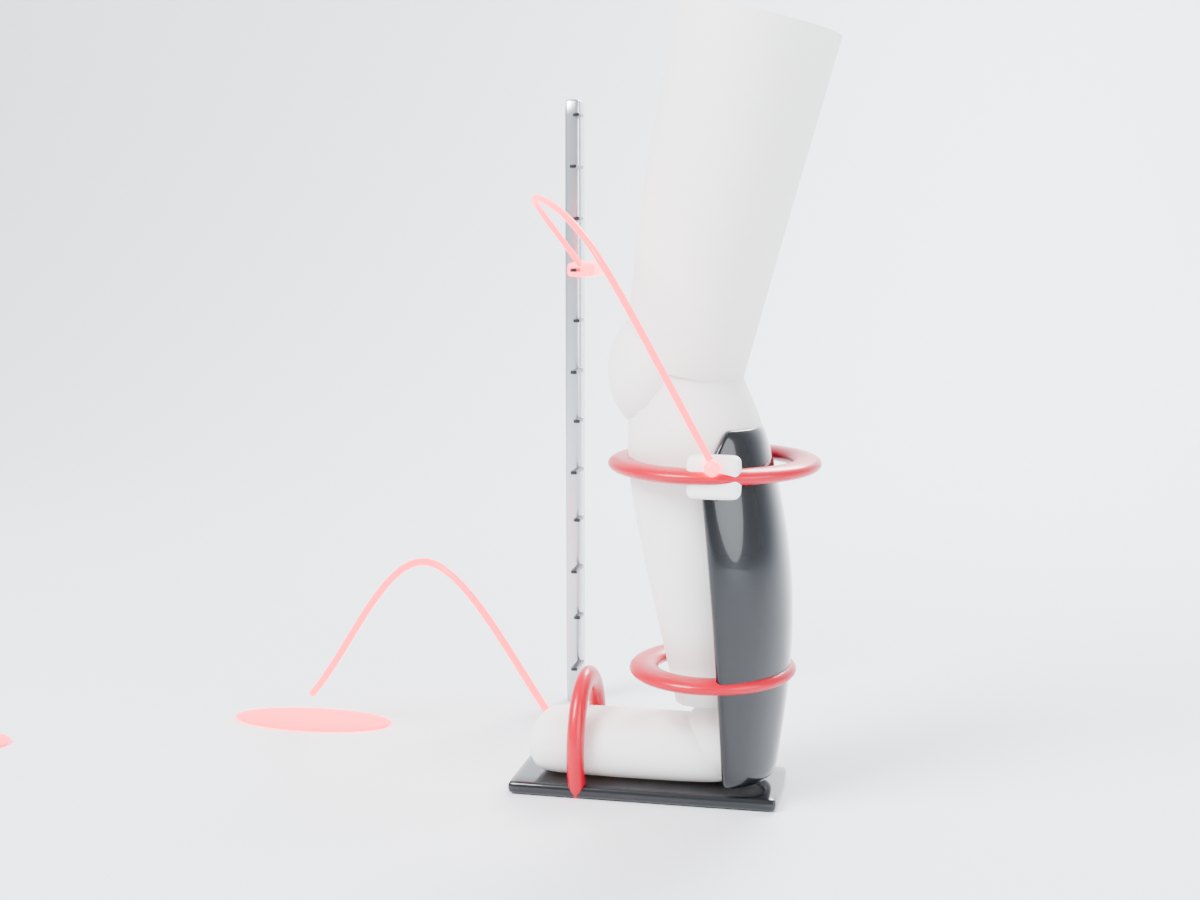
Concept render
Assistive technology for children
Children grow and change quickly, so their devices have to adapt. With clinical partners in Calgary we study pediatric ankle-foot orthoses for cerebral palsy, the accuracy of wearable mobility sensors, and what caregivers need from real-time inhaler feedback.
Selected work
- Design guidelines for pediatric ankle-foot orthoses HFES 2026
- Caregiver requirements for pediatric inhaler feedback under review
Funding
One Child Every Child (PATCH); Hotchkiss Brain Institute Robertson Award; VPR Catalyst Grant
Next
Two hands, one user
A bilateral bionic-hand testbed for studying how shared autonomy should coordinate two limbs during grasping.
Limbs that are not hands
Learnable control mappings from muscle and neural signals to reconfigurable assistive limbs.
Remote and extreme operations
Operator workload and human–AI interaction in telerobotic construction and excavation, on Earth and for lunar missions.
Testbeds
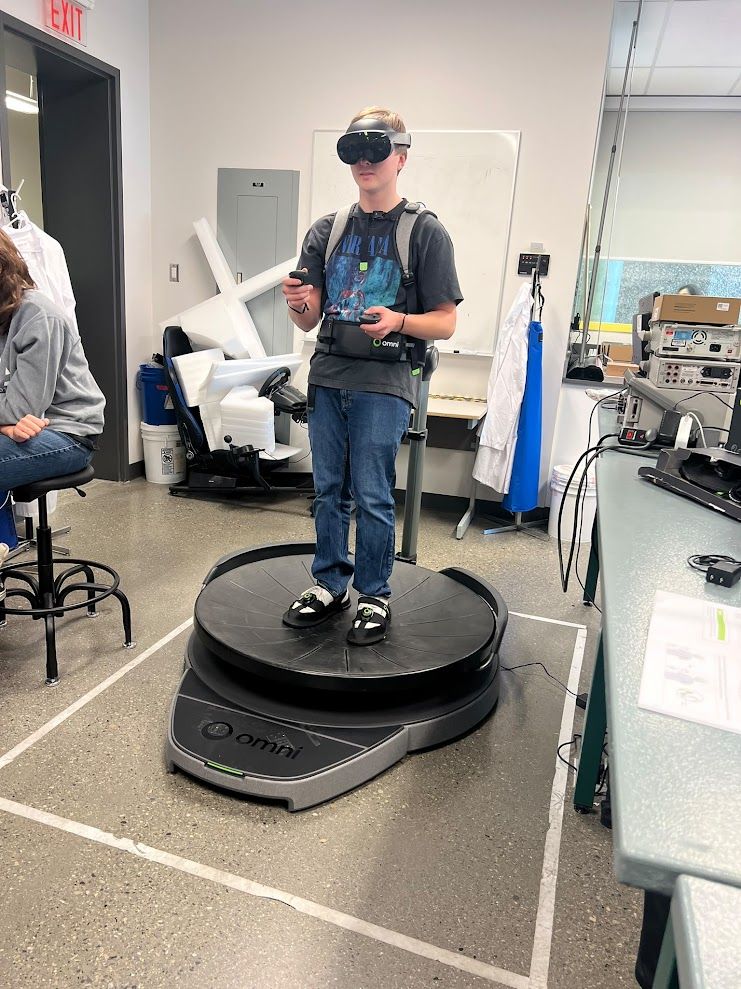
Omnidirectional VR treadmill 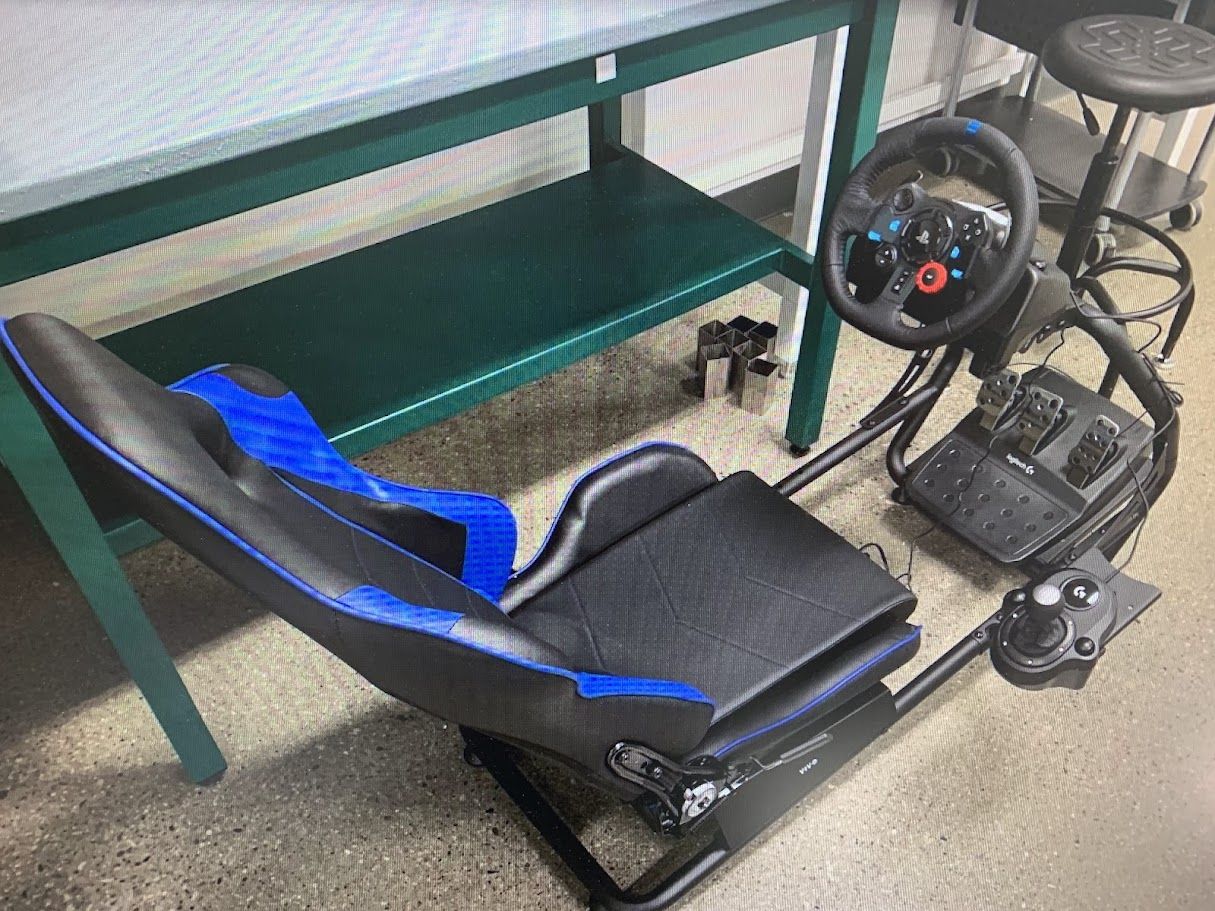
Driving simulator rig 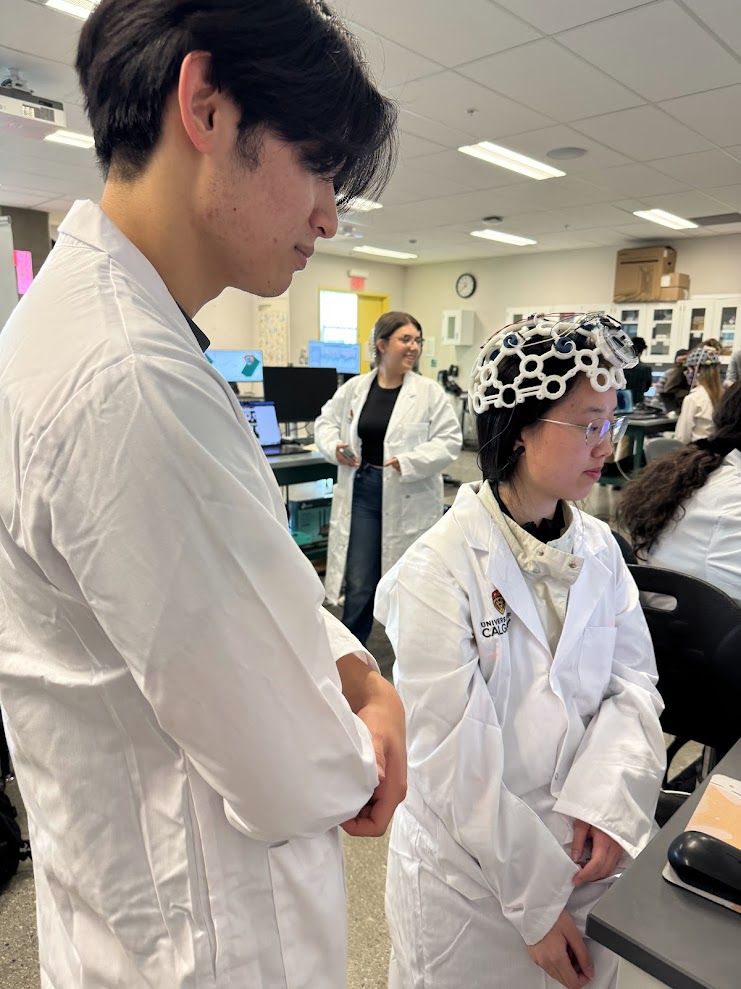
EEG and eye tracking 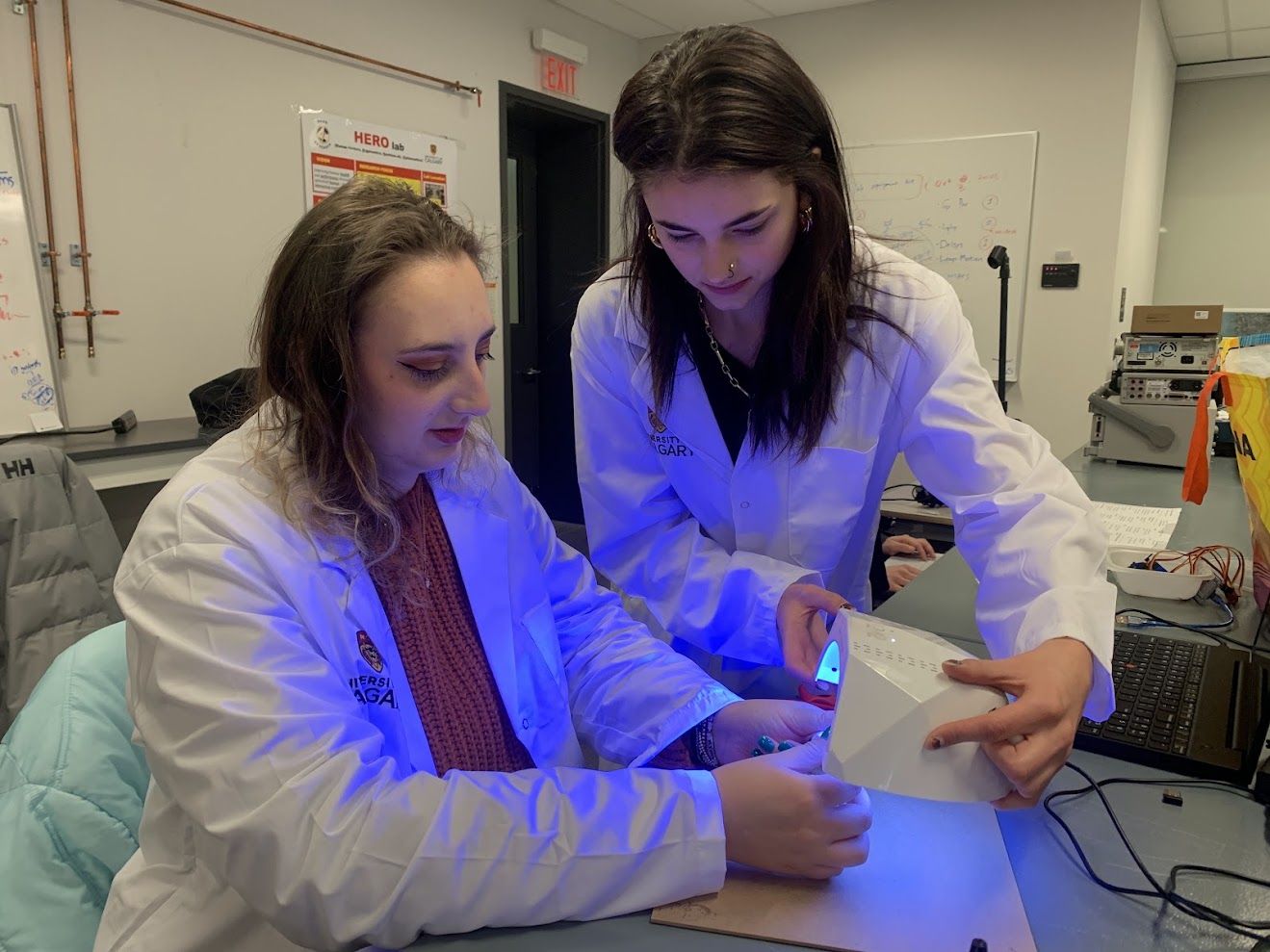
Device fabrication
Biosignal sensing, eye and motion tracking, XR, simulation, clinical outcome measures and compute are listed on the equipment page. The lab has a dedicated 300 m² space and access to the Human Performance Lab and the W21C Wizard-of-Oz suite.
Current funding
- Symbiotic Embodiment: Engineering the Human–AI Partnership in ProstheticsNSERC Discovery Grant, with Early Career supplementSole PI2026–2031
- BlueTrace: Edge-AI Blue-State Breadcrumbs for Human-Robot Situational AwarenessSpace-Defence Technologies AlbertaNominated Principal Applicant2026–2027
- Accuracy and Human Factors of Wearable Sensors for Mobility Assessment in Cerebral PalsyHotchkiss Brain Institute, Robertson AwardCo-PI2026–2027
- PATCH: Platform Advancements in Technology for Child HealthOne Child Every Child, Major ProgramCo-applicant2025–2028
- Enhancing Safe Work Practices for Hoisting, Rigging, and Lifting OperationsCreative Sentencing, Government of AlbertaCo-applicant2025–2028
- LivingGuard: An AI-Driven Smart Home for Proactive Detection and Intervention in Cognitive DeclineSchulich Momentum FundNominated Principal Applicant2025–2026
- Revolutionizing Upper-Limb Prosthetic Hand Control through Precision Naturalistic Multimodal ModelingNSERC Discovery Grant Bridge FundNominated Principal Applicant2025–2026
- CONNECT: Redesigning Peripheral Vascular Access with Patients as Co-ResearchersTransdisciplinary Connector GrantCo-applicant2025–2026
- Advancing Nursing Education: Embedding Perceptual-Cognitive Skills in Peripheral IV CannulationNursing Endowment GrantCo-applicant2025–2026